
Important — Bobtail / NTL is not a substitute for Primary Liability. Bobtail / NTL / Unladen coverage does not replace the motor carrier's Primary Liability coverage. However, these coverages do not all use the same trigger. Bobtail coverage is generally associated with operation of the tractor without a trailer and, depending on the policy, may apply whether dispatched or not. NTL generally focuses on personal, nonbusiness use. Unladen Liability may address operation with an empty trailer or no trailer, depending on the policy. The actual insurance contract and facts of the trip control.
Trucking & Commercial
Bobtail & Non-Trucking Liability for Owner-Operators
When leased to a motor carrier, the carrier's liability policy may not extend coverage outside of dispatch. Bobtail and non-trucking liability coverage may help address certain liability exposures during qualifying off-dispatch or personal-use operations, subject to the policy definitions.

Coverage Overview
Understanding Bobtail and Non-Trucking Liability
Owner-operators leased to a motor carrier typically operate under the carrier's liability policy while under dispatch and hauling freight on behalf of the carrier. Outside covered dispatch periods — such as certain personal-use or qualifying off-dispatch operations — the motor carrier's policy may not apply, depending on the lease agreement and policy terms.
Bobtail and non-trucking liability are two related coverages designed to address this exposure. Bobtail coverage generally refers to operating a tractor without a trailer attached. Non-Trucking Liability (NTL) generally addresses liability arising from personal, nonbusiness use of a leased truck. NTL is defined primarily by the purpose of the trip rather than simply whether a trailer is attached. Depending on the specific policy, qualifying personal use may occur with or without a trailer. The exact scope of each depends on the specific policy language.
Neither bobtail nor NTL is a substitute for primary trucking liability. Bobtail and non-trucking liability are supplemental coverages that may address certain qualifying exposures when applicable motor-carrier coverage does not apply, subject to lease terms and policy definitions. Review your lease agreement and your carrier's policy to understand where their coverage ends.
Talk to Our Team
Questions about bobtail or non-trucking liability? We help leased owner-operators review their options.
📞
Call
Know the Difference
Bobtail, Non-Trucking Liability, and Unladen Liability Are Not the Same Term
These three terms are often used loosely — and sometimes interchangeably — in the trucking industry, but they generally describe different operating conditions. The applicable coverage, and whether it applies to a specific trip, depends on the exact policy language, not on which term is used casually.
Bobtail Liability
Generally addresses liability exposure when operating the tractor with no trailer attached at all. This is the narrowest of the three terms — it describes the physical configuration of the vehicle, not the purpose of the trip.
Non-Trucking Liability (NTL)
Generally addresses personal, non-business use of the truck by a leased owner-operator outside of dispatch — for example, driving the truck for personal errands. NTL is typically framed around the purpose of the trip rather than whether a trailer is attached.
Unladen Liability
Can cover operation with an empty trailer attached, or no trailer, depending on the specific policy — some insurers use this term to describe coverage that applies whether or not a trailer is hitched, as long as the trailer (if any) is not carrying cargo.
Source context: industry and carrier materials — including guidance published by OOIDA and commercial insurers such as Progressive Commercial — describe these distinctions in similar terms, though exact policy definitions vary by insurer. This page uses these terms in that general sense; the specific policy you are considering is the controlling document.
Operating Scenarios
Which Term Generally Applies to Which Situation?
A simplified visual reference. Actual coverage in any of these scenarios depends entirely on the specific policy's definitions, the lease agreement, and the trip's purpose — not on this chart.
Tractor Only
No trailer attached, any purpose
Generally: Bobtail
Personal Errand
Truck used off-dispatch for non-business purposes
Generally: NTL
Empty Trailer Attached
Trailer hitched but not carrying cargo
Generally: Unladen
Loaded & Under Dispatch
Hauling freight for the motor carrier
Primary Liability Applies
These labels are general industry shorthand, not a guarantee of how any specific policy will classify a given trip. Some insurers combine bobtail and unladen exposures under a single endorsement; others separate them. Always confirm classification and coverage triggers in the actual policy.
Who Needs It
When Bobtail and NTL Coverage Is Relevant
Whether bobtail or NTL coverage applies to your situation depends primarily on how you operate and whether you are leased to a motor carrier or operating under your own authority.
Owner-Operators Leased to a Motor Carrier
The most common situation where bobtail or NTL may be relevant. If you are leased to a carrier, review your lease agreement and the carrier's policy to understand when their coverage applies — and whether there are periods or operations during which it may not. Bobtail or NTL coverage may help address certain qualifying exposures during those periods, subject to policy definitions.
Operators Who Use the Truck Outside of Dispatch
If you use your commercial truck for personal, non-commercial purposes outside of your lease obligations, the motor carrier's policy may not extend coverage for those activities. Non-trucking liability may address certain qualifying off-dispatch liability exposures, subject to the policy's definitions of covered operations and the purpose of the trip. Not all personal or off-dispatch uses are automatically covered.
Operators Who Reposition Between Loads
Driving to a new pickup location after delivering a load — sometimes called deadheading — may or may not be covered under the motor carrier's policy depending on whether it is considered "under dispatch." Whether bobtail or NTL may apply during repositioning depends on the trip's purpose, dispatch status, lease agreement, motor-carrier policy, and the definitions in the proposed policy.
Operators Returning the Truck Home
Driving the tractor home at the end of a run or over a weekend may fall outside the scope of the carrier's policy, depending on how the policy defines covered operations. Verify this specifically with the carrier before assuming coverage applies.
Who Typically Does NOT Need This Coverage
Bobtail or NTL is generally designed for leased owner-operators rather than operators relying on their own primary liability policy, although individual arrangements and policy needs vary.
Company Drivers (Not Independent Contractors)
Company drivers who operate employer-owned trucks as employees are typically covered under the employer's commercial auto or trucking policy while on the job. The carrier's policy generally covers the vehicle rather than the individual driver's personal use, so NTL is not typically applicable for W-2 employees.
Off-Dispatch & Personal Use
Driving for Personal Reasons, Not Under Dispatch
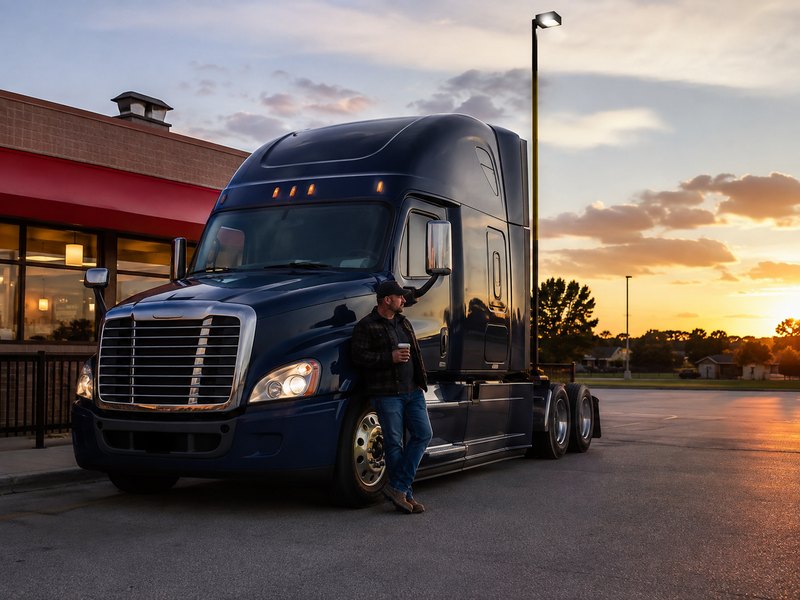
Non-trucking liability is generally the term used for personal, non-business use of a leased truck — stopping for a meal on your own time, running a personal errand, or otherwise using the vehicle outside of any load assignment. The motor carrier's policy typically does not extend to this kind of use, because it falls outside the scope of dispatch.
Whether a specific personal-use trip is covered under an NTL policy depends on the policy's definition of "non-business use" and any exclusions that may apply. Not every off-duty activity is automatically treated the same way — review the policy language directly rather than assuming.
Tractor Without a Trailer
Bobtail Operation
Bobtail specifically describes operating the tractor with no trailer attached — a distinct physical configuration, separate from the purpose of the trip.
Bobtailing happens for a variety of reasons: dropping a loaded or empty trailer at a shipper or receiver, heading to pick up a different trailer, or returning to a yard or terminal without one. In each case, the tractor is operating on its own.
Whether the motor carrier's policy covers a bobtail trip depends on the specific policy language — not a general assumption. Depending on the policy, Bobtail coverage may apply whether the trip is within or outside of dispatch; it is not universally an "off-dispatch only" coverage. A bobtail move made in the course of completing a dispatched load (for example, dropping a trailer and immediately returning for another) may be treated differently by a given policy than bobtailing at another time — confirm how the specific policy you are reviewing classifies each.
- Confirm with the motor carrier whether bobtail moves connected to an active dispatch are covered under their policy
- Ask specifically about bobtail moves that occur after a dispatch has ended
- Review whether your lease agreement requires you to carry your own bobtail coverage
- Understand that "bobtail" refers to the vehicle configuration (no trailer) — not the purpose of the trip
Empty Trailer Attached
Unladen Liability
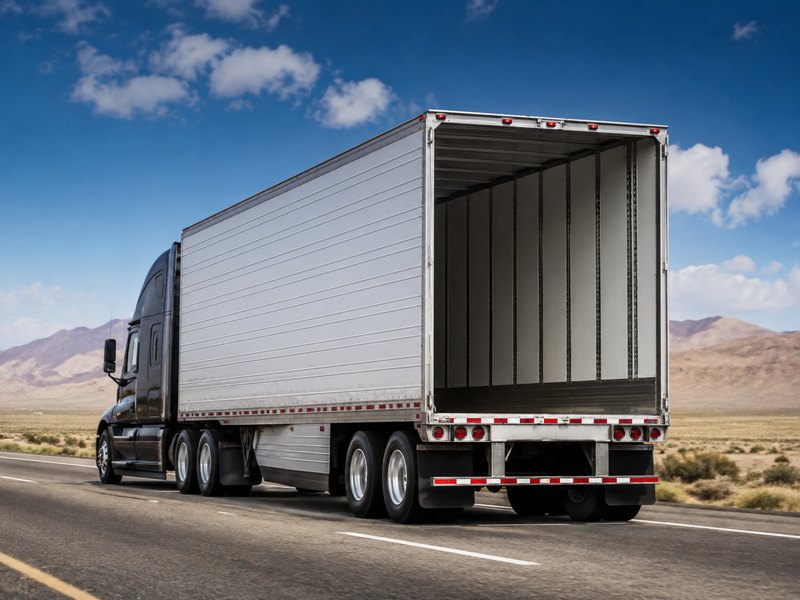
Unladen liability generally refers to operating with a trailer attached that is not carrying cargo — as opposed to bobtail, which refers to no trailer at all. Depending on the insurer, unladen liability may be written as its own coverage, combined with bobtail coverage, or addressed as part of an NTL policy's definitions.
Because the terminology is not standardized across the industry, the only reliable way to know whether an empty-trailer trip is covered is to review how the specific policy defines the term and what triggers coverage. Do not assume that "bobtail," "unladen," and "NTL" all mean the same thing on any given policy.

Read Before You Sign
What Your Lease Agreement May Require
Many motor carrier lease agreements address bobtail and non-trucking liability directly — some require the leased owner-operator to maintain their own bobtail/NTL coverage as a condition of the lease, and some specify minimum limits. Others state that the carrier's policy extends limited coverage during certain off-dispatch periods.
We are not transportation attorneys and cannot provide legal advice on lease interpretation. Before signing or renewing a lease, read the insurance-related sections closely and ask the motor carrier to confirm in writing exactly when their coverage applies and when it does not. If the lease requires you to carry bobtail or NTL coverage, our team can help you review available options that may meet that requirement.
What May Be Covered
What Bobtail and NTL Coverage Typically Addresses
Coverage specifics depend on the policy. The following describes what these coverages are generally designed to address — actual scope is determined by the specific policy terms. These are liability coverages: they generally address what you may owe others, not damage to your own equipment.
Third-Party Bodily Injury Liability
May cover bodily injury liability to others arising from a covered accident while operating outside of dispatch, subject to the policy's definition of covered operations and applicable limits. Does not cover injury to the driver themselves.
Third-Party Property Damage Liability
May cover liability for damage to other people's property — another vehicle, a structure, or other property — resulting from a covered accident while operating outside of dispatch, subject to policy terms and applicable limits.
Personal Use Outside of Dispatch
Non-trucking liability may address certain liability arising from personal, non-commercial use of the truck outside of dispatch — such as driving for personal errands or similar activities not connected to the carrier's authority — subject to policy definitions of covered operations. Coverage depends on the purpose of the trip and the specific policy language.
Bobtail Operation (No Trailer Attached)
Bobtail coverage may address certain liability exposures when operating the tractor without a trailer. Depending on the specific policy, Bobtail coverage may apply whether the trip is within or outside of dispatch — it is not universally limited to off-dispatch operation. Whether a particular bobtail trip is covered depends on the policy's own definitions, not a general assumption.
Empty/Unladen Trailer Operation
Where written, unladen liability may address certain liability exposures while operating with an empty trailer attached, subject to the policy's specific definition of "unladen" and whether the trip is otherwise within or outside of dispatch.
What These Coverages Do NOT Include
Bobtail and NTL are primarily liability coverages and should not be assumed to provide Motor Truck Cargo coverage or Physical Damage coverage for the insured tractor or trailer. Driver medical benefits, UM/UIM, PIP, MedPay, or similar benefits — where applicable — depend on the policy, state requirements, and selected coverages.
Related but Different
How Bobtail/NTL Differs From Other Trucking Coverages
Bobtail and NTL are frequently confused with several other trucking coverages. These coverages address different primary exposures, although policy structures, endorsements, and applicable benefits can vary.
vs. Physical Damage
Bobtail and NTL are liability coverages — they do not cover damage to your own tractor or trailer. Physical Damage coverage is a separate policy that may address collision or comprehensive loss to your own equipment, subject to its own terms and a deductible.
vs. Motor Truck Cargo
Bobtail and NTL do not cover freight. Motor Truck Cargo is a separate policy addressing certain physical loss or damage to cargo in your care, custody, or control — and in most bobtail or NTL scenarios there is no cargo present in the first place.
vs. Trailer Interchange
Trailer interchange coverage generally addresses physical damage to a trailer you do not own but are pulling under an interchange agreement — a different exposure entirely from bobtail or NTL, which address liability to third parties, not damage to a trailer in your possession.
vs. The Motor Carrier's Primary Policy
The motor carrier's primary liability policy is generally intended to apply while you are under dispatch, hauling freight on the carrier's behalf. Bobtail, NTL, and Unladen Liability are supplemental coverages, not a substitute for the carrier's primary coverage — though the trigger differs by coverage: NTL and Unladen Liability generally address gaps outside of dispatch, while Bobtail coverage, depending on the policy, may apply whether dispatched or not.
Common Misunderstandings
Assumptions Worth Double-Checking
- Assuming any trip without cargo is automatically covered — coverage depends on the specific policy's operational definitions, not simply the absence of freight
- Assuming a personal-conveyance status used for Hours of Service (HOS) recordkeeping automatically means NTL applies — HOS personal-conveyance status is an FMCSA driving-log classification, separate and distinct from whether an insurance policy's NTL definition is triggered
- Assuming bobtail, NTL, and unladen liability are three names for one identical coverage — they generally describe different operating conditions, even though some policies bundle them together
- Assuming the motor carrier's policy always covers deadheading between loads — this depends on the carrier's specific dispatch definitions
- Assuming bobtail/NTL coverage extends to cargo or physical damage — it generally does not; those require separate policies
- Assuming a single liability limit applies universally across all bobtail/NTL policies — limits vary by policy and are selected at the time of purchase, not fixed by regulation for this coverage
- Assuming coverage is automatic simply because the lease requires it — a lease requirement does not by itself create insurance coverage; the policy must actually be in force
- Assuming the terms in this article match every carrier's exact policy wording — always confirm against the actual policy you are purchasing
Limits
Liability Limits Vary by Policy
There is no single, universal liability limit that applies to every bobtail or NTL policy. Available limits vary by insurer, and some motor carrier lease agreements specify a minimum limit the owner-operator must carry. Review the limits offered against both your lease requirements and your own risk tolerance before selecting a policy.
Exclusions & Use Restrictions
What Typically Falls Outside These Policies
- Operations considered "under dispatch" by the applicable policy definition
- Cargo loss or damage of any kind
- Physical damage to your own tractor or trailer
- Use that falls outside the policy's definition of personal or non-business use
- Other exclusions specific to the insurer and policy form
Owner-Operator Checklist
Before You Assume You're Covered
- Get written confirmation from the motor carrier of exactly when their liability policy applies and when it ends
- Read the insurance section of your lease agreement in full, including any required minimum limits
- Confirm whether the coverage you are purchasing is labeled bobtail, NTL, unladen, or a combination, and what each term means in that specific policy
- Ask how the policy defines "under dispatch" versus "outside of dispatch"
- Confirm whether empty-trailer operation is treated the same as no-trailer (bobtail) operation under the policy you are considering
- Keep proof of coverage in the truck and confirm it satisfies any lease requirement
If an Incident Occurs
What to Do After an Accident While Bobtailing or Off-Dispatch
- Confirm everyone's safety first and contact emergency services if needed
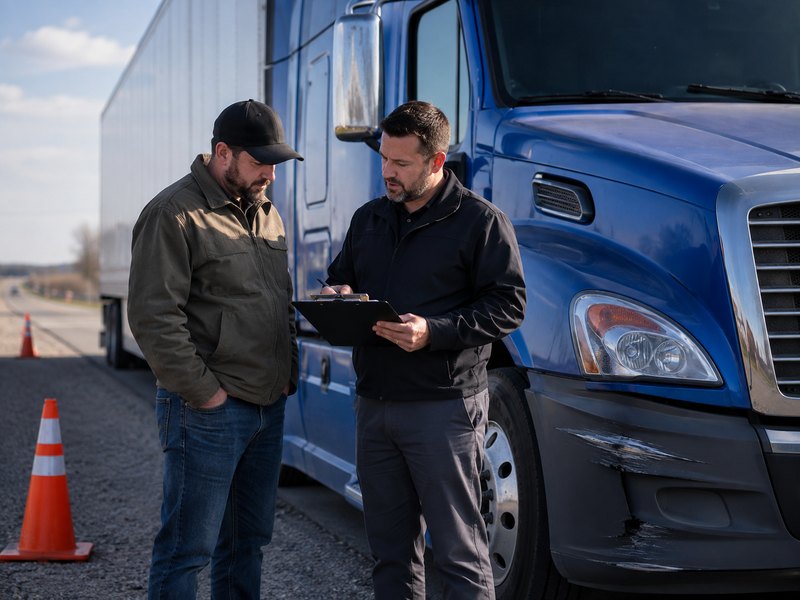
- Document the scene, the vehicle configuration (trailer attached or not, loaded or empty), and the purpose of the trip at the time of the incident
- Note whether you were under dispatch, repositioning, or on personal time — this affects which policy may respond
- Report the incident to both the motor carrier and your own bobtail/NTL insurer as soon as possible; do not assume only one applies
- Provide your lease agreement to your agent if there is any question about which policy should respond
- Avoid making coverage determinations yourself — let the carrier's claims process establish which policy applies based on the facts
Important Limitations
What to Understand Before Purchasing
- Bobtail and non-trucking liability do not automatically cover all deadheading, repositioning, or unloaded travel — coverage depends on the purpose of the trip and the policy definitions
- The definition of "under dispatch" varies by policy — when coverage activates and ends depends on the specific policy language, not a general understanding of the term
- Bobtail, non-trucking liability, and unladen liability are not automatically the same coverage — confirm which one you are purchasing and whether it covers your specific use case
- These coverages do not cover cargo loss or damage — that requires a separate motor truck cargo policy
- Physical damage to your own truck is not covered — a separate physical damage policy is needed
- Coverage may not apply if the trip has any commercial purpose, even if the load has been delivered — review policy definitions carefully
- Some motor carrier lease agreements require the owner-operator to maintain bobtail or NTL as a condition of the lease
- Not all carriers offer bobtail and NTL as standalone coverages — availability varies by market and state
Key Questions to Discuss
Before You Buy: Review These with Our Team
- Does your motor carrier's policy cover you when driving home, repositioning, or using the truck for personal reasons? Ask the carrier directly and confirm in writing
- Does your lease agreement require you to carry bobtail or NTL? Some leases make it mandatory
- How does the policy you are considering define "under dispatch" vs. "outside of dispatch"?
- Does the coverage apply when you are operating with an empty trailer as well as bobtail (no trailer)?
- What are the liability limits offered, and are they adequate for your situation?
- Does the policy include any state-required or optional uninsured/underinsured motorist protection, where available?
Why Whitestone
Independent Guidance for Leased Owner-Operators
Bobtail and non-trucking liability are supplemental coverages that may address certain qualifying exposures when applicable motor-carrier coverage does not apply, subject to lease terms and policy definitions. We help you understand the terms and how they may apply to your situation.
Independent Agency
We are not tied to a single insurer. We can help you review available bobtail and NTL coverage options from the markets accessible to our agency and explain which ones may fit your lease arrangement and operating pattern.
Trucking Specialty Focus
We understand the distinction between bobtail, non-trucking liability, and unladen liability, the relevance of lease agreements, and how "under dispatch" definitions affect coverage. Our team can help you identify what type of coverage fits your situation.
Lease Review Assistance
We can help you understand what your lease agreement says about insurance obligations and where the motor carrier's coverage ends. We are not transportation attorneys and cannot provide legal advice, but we can help you ask the right questions.
Multi-State Licensing
Whitestone is licensed in NY, NJ, CT, PA, OH, DE, and SC. Our ability to place coverage depends on the insured's location, risk details, insurer availability, and applicable state requirements.
Common Questions
Bobtail & NTL FAQs
Do I need bobtail or NTL coverage if I am leased to a motor carrier?
It depends on what your lease agreement and the motor carrier's policy say. Some carriers' policies cover leased owner-operators continuously, including off-dispatch and personal use — others do not. You should request written confirmation from the motor carrier about exactly when their policy applies and when it ends. If there is a gap in coverage during personal use or off-dispatch operations, bobtail or NTL coverage may help address that gap. We recommend reviewing your lease and carrier policy details with our team before deciding.
What is the difference between bobtail and non-trucking liability?
Bobtail coverage generally refers to liability protection when operating the tractor without a trailer attached — it is defined by the vehicle's configuration. Non-trucking liability (NTL) generally addresses personal, nonbusiness use of the truck outside of dispatch, and is defined primarily by the purpose of the trip rather than whether a trailer is attached — qualifying personal use may occur with or without a trailer, depending on the policy. In practice, the terms are sometimes used interchangeably in the market, but the actual scope depends on each policy's definitions and language. When reviewing options, confirm specifically what the policy covers and how it defines "outside of dispatch."
What does "unladen liability" mean, and is it different from bobtail?
Unladen liability can cover operation with an empty trailer attached or no trailer, depending on the policy. It is related to, but not necessarily identical to, bobtail coverage — bobtail generally addresses only the no-trailer configuration, while unladen liability may extend to an attached but empty trailer as well. Some insurers combine these concepts into a single endorsement; others treat them separately. Confirm how the specific policy you are considering defines "unladen" before assuming it covers a particular scenario.
Does using "personal conveyance" status on my ELD mean I automatically have NTL coverage?
No. Personal conveyance is an FMCSA Hours-of-Service recordkeeping classification used for driving logs — it is not an insurance coverage and does not by itself trigger or guarantee non-trucking liability coverage. Whether NTL applies to a trip logged as personal conveyance depends entirely on the actual insurance policy's definitions, not on how the trip was logged for HOS purposes. Treat these as two separate systems.
Does bobtail or NTL coverage protect my cargo?
No. Bobtail and NTL are liability coverages — they cover bodily injury and property damage to third parties. They do not cover cargo you are hauling. Cargo coverage requires a separate motor truck cargo policy. These coverages are also not designed for situations where you are actively hauling freight — that is the domain of your primary trucking liability policy or the motor carrier's policy.
Am I covered under the motor carrier's policy when I drive the truck home after a delivery?
This is one of the most common coverage questions for leased owner-operators, and the answer varies by carrier policy and lease agreement. Some motor carrier policies define "under dispatch" broadly enough to cover deadheading or returning home after a delivery. Others define it more narrowly and coverage ends when the load is delivered or when the carrier's next dispatch begins. You should ask the motor carrier directly and get a clear, written explanation. If the motor carrier's coverage does not apply to a particular off-dispatch use, an appropriately structured bobtail or NTL policy may help address that exposure, subject to its terms.
Does bobtail or NTL coverage cover physical damage to my truck?
No. Bobtail and non-trucking liability are liability coverages only. They cover your legal liability for injury or damage to others — they do not cover physical damage to your own truck or trailer. If you want coverage for your own equipment in the event of an accident or other physical loss, you need a separate commercial truck physical damage policy.
What does "outside of dispatch" mean in the context of these policies?
"Under dispatch" generally means the period when you are performing transportation services for and under the authority of the motor carrier. "Outside of dispatch" refers to operations outside the scope of the motor carrier's policy — but whether a specific trip (returning home after a delivery, repositioning, deadheading, driving between assignments) falls inside or outside of dispatch depends on the specific policy definitions and lease agreement, not a general assumption about the activity. The precise definitions vary by policy and are critical to understanding when your bobtail or NTL coverage applies. Never assume a general understanding — always review the actual policy definitions.
Is there one standard liability limit for bobtail or NTL policies?
No. Liability limits for bobtail and NTL policies vary by insurer and by the limit selected at purchase — there is no single universal amount. Some motor carrier leases specify a minimum limit the owner-operator must carry; beyond that requirement, the limit you select should reflect your own risk tolerance and the coverage options available through your insurer.
Speak With an Agent
Schedule a Trucking Insurance Consultation
Choose a convenient time to speak with a licensed Whitestone agent.
Questions About Your Off-Dispatch Coverage Gap?
Call us or start a quote online. Our team helps leased owner-operators understand their coverage options personally.
Coverage Disclaimer: Coverage availability, terms, conditions, and rates vary based on individual risk factors, lease agreements, carrier guidelines, and applicable state regulations. The information on this page is provided for general educational purposes and does not constitute a binding quote, coverage confirmation, or guarantee of any specific outcome. Whether bobtail, non-trucking liability, or unladen liability coverage applies in a given situation depends on the specific policy language. Always review policy terms carefully and confirm with the motor carrier what their policy covers. Contact Whitestone Insurance Services LLC to discuss coverage options specific to your situation.